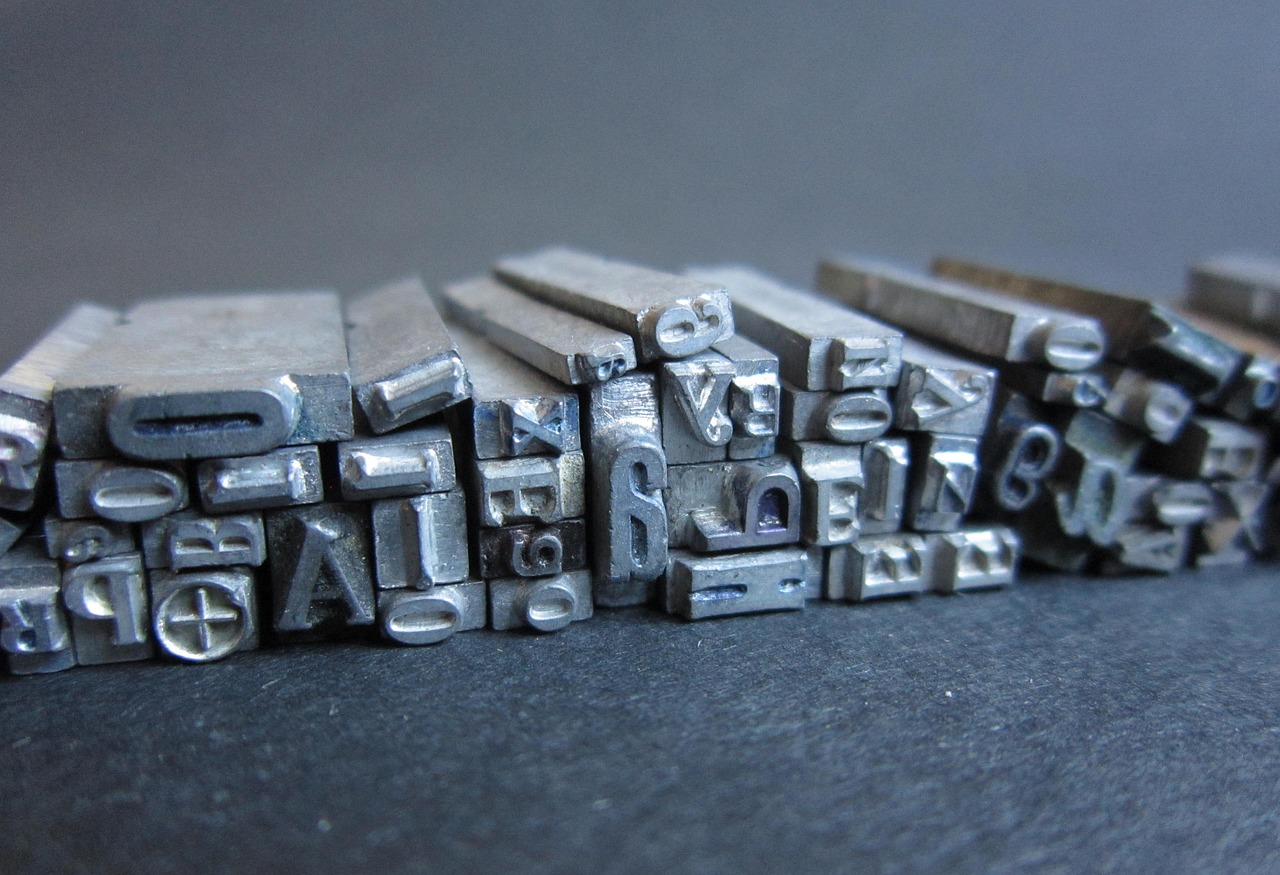
Why your daily standup sounds like status theater
Three signals that teams swapped problem-solving for broadcast mode—and how facilitators nudge without shaming.
SprintFoundry Digital · Seoul operations desk
SprintFoundry Digital
First six briefs surfaced; load more pulls the rest as flowing prose.
Delivery desk briefing
Stakes are not abstract velocity; it is the quiet drift of dependencies, the backlog stories nobody wants to touch, and the leadership reviews that still sound like status theater. This desk tracks how teams rehearse better signals.
Minseo Park — Lead Scrum Trainer. Files the weekly “signals worth amplifying” memo for enrolled cohorts and alumni office hours.
Pick the verticals you actually read. Step one: choose topics. Step two: confirm email on the next screen (we never auto-check boxes). Step three: decide cadence—monthly digest or quarterly deep read. Step four: hit send and know you can leave anytime from the footer link.
Third-party endorsements sit behind accordions so the page never resembles a trophy wall.
Slide 1–10 for optimism about dependency mapping. Average updates beside kanban-style columns.

Inside the backlog deferral list that saved a Seoul release train: editors watched three squads adopt a single visible “not now” column with stakeholder sign-off timestamps. Related topics:
Three signals that teams swapped problem-solving for broadcast mode—and how facilitators nudge without shaming.
A tactile flow that favors slicing over sorting, built for teams allergic to another governance deck.
How SprintFoundry Digital anonymizes production anecdotes so cohorts learn from near misses instead of polished case studies.